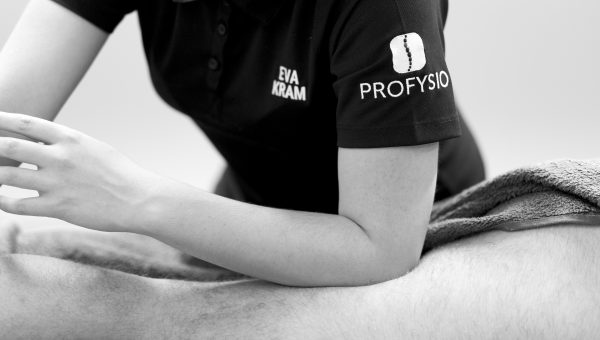


About The Stecco Method
The Stecco Therapy is a manual therapy technique developed by the Italian physiotherapist Luigi Stecco in the 1980s. This method is based on a biomechanical model that emphasizes the important role of the fascia in treating musculoskeletal disorders and internal organ dysfunctions.
Fascia is a connective tissue network that covers and connects organs, muscles, nerves, and blood vessels. Its stiffness can cause pain and tension.
How does the Stecco Method work?
The Stecco Method begins with a thorough assessment of the client, during which the therapist identifies problems within the fascial system. The specialist then manipulates specific points on the body, relieving tension, improving circulation, and enhancing nerve function. This process helps to alleviate pain and restore freedom of movement.
Contraindications
- Acute infection or fever
- Acute inflammatory process
- Thrombosis or thrombophlebitis
- Active cancer in the treatment area
- Open wounds or skin infection
- Acute bleeding
- First and third trimester of pregnancy
What issues can be addressed with this method?
- Chronic pain: lower back and neck pain
- Joint pain: knees, elbows, shoulders, hips
- Jaw joint dysfunctions and pain
- Headaches, dizziness, pressure in the head/eyes
- Nerve entrapment syndromes: Carpal tunnel syndrome, discopathy (disc diseases), etc.
- Overuse injuries: tendinopathies, epicondylitis (tennis elbow), bursit, etc.
- Post-traumatic conditions: ankle sprains, recovery after fractures
- Postoperative conditions and complaints: limited mobility, scar tissue stiffness and itching, etc.
- Injury prevention: amateur and professional athletes, people working in fixed positions, etc.
- Internal organ dysfunctions: urinary incontinence, chronic bladder infections, reflux (heartburn), rehabilitation after pneumonia, etc.
- Everyday discomfort: tensions caused by a sedentary lifestyle.
Frequently Asked Questions (FAQ)
Is Stecco therapy painful?
Stecco therapy may feel uncomfortable at times, especially in areas with tight or inflamed fascia. However, the goal is not to cause severe pain — the therapist always works within your tolerance and adjusts the pressure according to how you feel.
Is it the same as trigger point therapy in massage?
No, although both methods may address painful points in the body. Stecco therapy focuses on the fascia (connective tissue) and restoring its mobility, treating the body as a whole. Trigger point therapy, on the other hand, mainly focuses on painful points within muscles. The Stecco method looks for the root causes of pain and affects broader movement patterns, not just a single point.
How often should you attend Stecco therapy?
The frequency depends on your condition and how long it has lasted. In cases of acute pain, 1–3 sessions over a shorter period may be sufficient. For chronic conditions, the number of sessions is usually higher, with intervals of about 1–3 weeks. It is important to give the body time to adapt and recover, which is why Stecco therapy is not usually performed too frequently. A personalized plan is created by the therapist based on your condition and goals.
Can you exercise after Stecco therapy?
In general, it is recommended to avoid intense exercise on the same day to allow the body time to adapt and recover. Stecco therapy affects the fascia and movement patterns, so the body may be temporarily more sensitive. Light activity, such as walking, is recommended and helps the body adjust better to the changes. You can usually return to regular training the next day, depending on how you feel and your therapist’s recommendations.